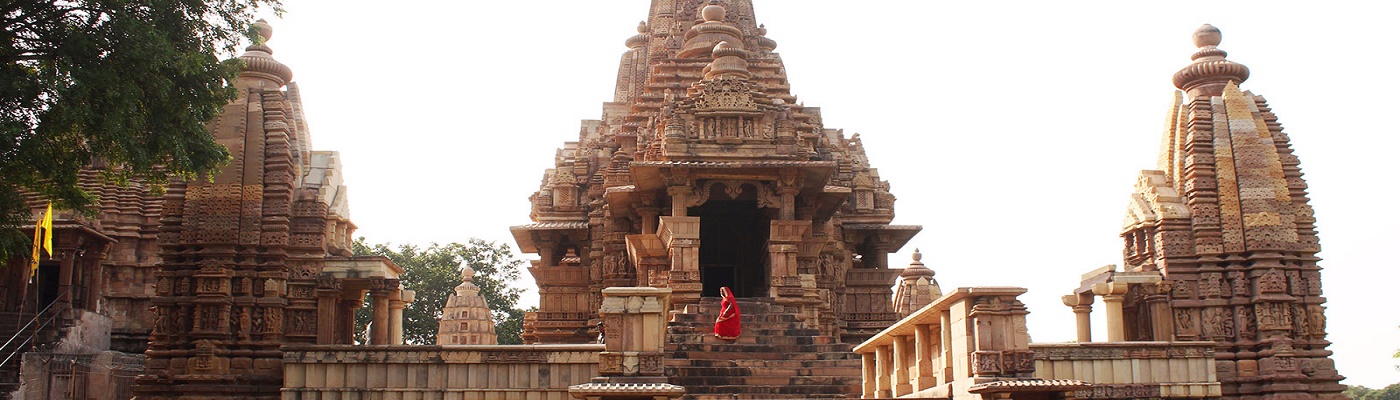
Khajuraho Tourism Unesco World Heritage Place India
-
Khajuraho, India — home to the stunning Khajuraho Group of Monuments, a UNESCO World Heritage Site since 1986 .
🏛 What makes Khajuraho special
Historical legacy: Built by the Chandela dynasty between the 9th and 12th centuries CE, the original 85 temples showcased exquisite Nagara‑style architecture. Today, roughly 22–25 remain, divided into Western, Eastern, and Southern clusters.
Spiritual diversity: The complex includes both Hindu and Jain temples, reflecting religious co‑existence and mutual respect .
Artistic craftsmanship: Every temple is profusely adorned with sculptures portraying deities, everyday life, musicians, dancers, and yes—famed erotic scenes, skillfully integrated into the temple structure .
Temple Highlights
Kandariya Mahadeva Temple The largest & most ornate — a masterpiece of medieval art built around 1025–1050 CE dedicated to Shiva
Lakshmana Temple Completed around 954 CE; dedicated to Vishnu, noted for its depictions of the Hindu trinity
Vishvanatha Temple Dedicated to Shiva (~999–1002 CE); features celestial beings and erotic imagery
Varaha Temple One of the oldest (900–925 CE); houses a large monolithic Varaha sculpture Duladeo Temple Built circa 1000–1150 CE; the last of the Chandela temples in the southern group, with expressive apsara carvings ,/
Top experiences & activities
Western Group visit: Most intact and vibrant, including Kandariya, Lakshmana, Vishvanatha among others
.Sound & Light Show: Daily evening narration (in English & Hindi) by the Western group’s sculptor guide—Adults ₹120 (Indians), ₹350 (foreigners)
Khajuraho Dance Festival: Held annually (February 20–26), featuring top Indian classical dance forms lit by the temple backdrop
Panna National Park (~40 km away): A tiger reserve and biosphere, great for wildlife safaris
Ken Gharial Sanctuary: Spot fresh‑water crocodiles along the Ken River .
Raneh & Pandav Falls: Scenic waterfalls and mythic caves offer a nature‑filled escape .
🕒 Best time & timing
Ideal visiting period: October–March .
Western cluster temples are open 8 AM–6 PM (7 AM–6:30 PM in Sanchi inclusion)
🎟 Entry fees (Western temples)
Indian adults: ₹40
Foreign adults: ₹600
Children under 15: free
🚗 Getting there
Air: Khajuraho Airport (HJR) — flights from Delhi, Mumbai, Bhopal, Varanasi. Temples ~2 km away .
Train: Khajuraho station ~5 km away; major connections from Mahoba (~78 km)
Road: Well‑connected via state and national highways; taxis, buses available .
🏨 Tips
Guides & rickshaws: Persistent touts near the sites—keep walking or firmly decline .
Cultural shopping: Visit local handicraft emporiums near temples for textiles, souvenirs, and artisan crafts
Why it matters
Khajuraho embodies the zenith of Northern Indian temple architecture (Nagara style), harmonising spiritual and secular art in a high‑quality sandstone ensemble spread across ~6 km².
Its preserved temples and sculptures reveal deep insights into 10th–11th century religion, culture, and society—earning .
Khajuraho
- About Khajuraho
- How to reach Khajuraho
- Best Time to Visit Khajuraho
- Tourist attractions near Khajuraho
- Weather climate of Khajuraho
- Where to stay in Khajuraho
- What to Wear while visit Khajuraho
- Khajuraho Dance Festivals
- Schedule of Khajuraho Dance Festivals
- Day Excursion Khajuraho
- Eastern Groups of Temples
- Western Groups of Temples
- Southern Groups of Temples
- Famous Raneh Waterfall Khajuraho
- Famous Shopping Market Kahjuraho
- Group of Temples Khajuraho
- Jain Groups of Temple Khajuraho
- Faqs about Khajuraho